
The "matcha boom" is accelerating worldwide -- the latest trends in major regions, uses, and channels
- 堤浩記
- 2025年11月9日
- 読了時間: 16分
更新日:5月18日

"Why is matcha so popular around the world?"
"I want to know about the main regions where matcha is grown!"
"I want to know about the uses and channels of matcha around the world!"
Matcha is currently spreading more widely than ever before in global food culture.
Once a symbol of Japanese tea ceremony culture, matcha is now dominating the global market in a variety of forms, including lattes, sweets, protein drinks, and RTD drinks.
Demand for matcha is on the rise worldwide, but many people want to know the specific reasons for this boom.
Matcha's uses are expanding beyond beverages to include confectionery, bakery products, and nutritional supplements, and demand is growing in a variety of industries, so many people see it as a major business opportunity!
On this page, we hope to provide useful information for those people, delving deeper into the reasons for the global matcha boom and explaining the major regions, uses, channels and trends.
Let's learn more about matcha, which is at the heart of the global green market!
Explaining the growing demand for matcha in four major regions
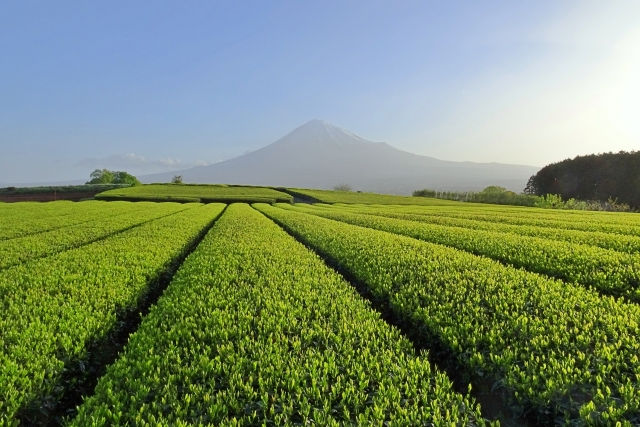
From here, we will explain the growing demand for matcha in four major regions.
These are important points to understand the reasons for the growing global demand and the differences in demand between regions, so please take a look at each item.
North America: Wellness trends and virality on social media are driving growth
North America is currently the largest and fastest-growing matcha market in the world.
In North America, matcha is becoming established as a "natural energy drink."
The effects of L-theanine, which allows you to maintain concentration while avoiding excessive caffeine intake, are attracting attention, especially from health-conscious millennials and Generation Z.
It is more functional than green tea, yet is expanding in forms that make it easy to incorporate into your daily routine, such as lattes and smoothies!
Furthermore, the vibrant green color of the matcha drink makes it popular for its visual appeal on social media, with posts on Instagram and TikTok rapidly increasing.
Incidentally, in trend-setting cities like Los Angeles and New York, organic matcha specialty cafes are popping up one after another.
In addition, its adoption is expanding to new products such as RTD (ready-to-drink) beverages, protein bars, and plant-based sweets, making the North American market a hotly anticipated area with significant future growth expected.
Europe: Sustainability and clean label trends come together
Next, regarding the demand for matcha in the European market, matcha is highly regarded as a "sustainable premium food ingredient."
In Europe, there is a strong interest in clean labels such as organic certification, fair trade, low processing and no additives, and there is a clear tendency to place importance on the traceability of tea leaves and the producers' stories.
In Germany and Scandinavian countries in particular, matcha is considered a type of superfood, and vegan drinks that combine it with plant-based milk are gaining popularity.
In France and Italy, matcha has been increasingly introduced into the confectionery and patisserie industries, where it has been combined with butter and chocolate to create high-end desserts such as "matcha ganache" and "matcha croissants."
For European consumers who seek to balance environmental awareness with taste value, matcha is accepted as a delicious and ethical choice.
In the future, cooperation on organic certification within the EU and the development of local procurement logistics will be key to supporting the growth of matcha demand and the matcha business.
Asia: Establishment as an everyday beverage and a preference for high quality
We will also touch on demand in Asia, where matcha is not just a trend but has taken root as part of everyday life and culture.
In particular, in Japan, Taiwan, and South Korea, matcha lattes, RTD drinks, and sweets at cafes and convenience stores have reached the stage where they are consumed on a daily basis.
Meanwhile, in China and Southeast Asia, as the middle class expands, people are increasingly seeking authenticity, and demand for high-quality matcha that clearly states its place of origin (Uji, Nishio, Yame, etc.) is soaring.
In Asia, the balance between vivid color and flavor is important, and in Korea and Singapore, the number of specialty cafes offering different grades of menu is on the rise.
Additionally, localized combinations such as "matcha x brown sugar" and "matcha x tapioca" have become hits in the dessert industry, helping to establish matcha among younger generations.
The Asian premium matcha market, which combines functionality and luxury, is expected to continue to diversify within the region.
Although there is a lot of competition in this area, it is also an area with high demand, making it an ideal place to differentiate your business and expand.
Middle East: Rapid growth due to the growing interest in emerging markets and the health boom
Finally, regarding the demand for matcha in the Middle East, matcha is rapidly gaining popularity as a new wellness drink, driven by the recent health boom and expansion of the tourism industry.
Driven by the growing trend towards fitness and demand for detox, especially in the UAE and Saudi Arabia, matcha smoothies, protein drinks, and caffeine-free blends are popular.
In Dubai in particular, matcha is increasingly being adopted in high-end hotels and luxury cafes, and the image of matcha as a high-quality, healthy brand from Japan is becoming established.
Additionally, matcha is increasingly being chosen as a drink to break the fast during Ramadan, and is highly regarded for both its energy supplementation and antioxidant benefits.
As logistics infrastructure improves, this trend is expected to spread not only to the Gulf countries but also to neighboring markets such as Türkiye and Egypt.
As such, the Middle East is rapidly gaining attention as the next growth frontier for matcha, and it can be said that it is a region where demand is growing.
Three factors supporting global demand for matcha

From here, we will discuss three factors that support the demand for matcha around the world.
Knowing the overall demand and reasons for popularity is also an important factor to utilize in your business, so be sure to check each item.
Health-conscious: Clean energy chosen for its natural and functional properties
First, one factor supporting the demand for matcha around the world is the growing health consciousness.
This points to the growing global health consciousness, which is a major factor driving up demand for matcha.
In particular, as the clean label concept of "avoiding additives and regulating the body with natural nutrients" becomes more widespread, matcha can be said to be a symbol of this.
Its antioxidant properties from its abundant catechins, the relaxing effect from L-theanine, and the gentle stimulating effect from caffeine make it a popular natural energy drink.
It has also attracted attention for being able to provide more complete nutrition than green tea, supporting its dominance in the functional food market.
Furthermore, it has expanded into health categories such as reduced-sugar matcha lattes, protein drinks and smoothies, and has become a central presence in wellness lifestyles, especially in North America and Europe!
Matcha has spread throughout the world as part of the health culture of each country and region.
Social media exposure: A new era of buzz marketing driven by eye-catching greenery
Another major driving force behind matcha's popularity is the viral effect of social media.
The vibrant green color and fine bubbles look great in photos and videos, and posts about it on social media, especially Instagram and TikTok, are spreading worldwide.
In cities with a thriving cafe culture, such as Los Angeles, Seoul, London, and Taipei, visually-focused matcha experiences have become established as a type of lifestyle content.
Recently, store designs and packaging have become increasingly minimalist and natural, with an eye toward social media exposure, and for Gen Z and millennials, matcha is also a tool for self-expression that is both healthy and stylish.
Brand collaborations and pop-up events have been launched for matcha, starting with social media, creating a consumer-driven marketing cycle.
This is a differentiating factor from other health drinks, so when incorporating it into your business, it is a good idea to consider social media marketing and expanding your customer base.
The spread of Japanese cuisine: Cultural background and the spread of reliable Japanese quality
Finally, one factor behind the growing demand for matcha is its existence as a trusted Japanese brand that has grown alongside the international popularity of Japanese cuisine.
Japanese cuisine, which has been registered as a UNESCO Intangible Cultural Heritage, is globally acclaimed as a "food culture in harmony with nature," and matcha is positioned as an ingredient that symbolizes tradition, beauty, and health.
Along with sushi, tempura, and miso, matcha sweets and drinks have become standard Japanese desserts.
As mentioned briefly in the previous section, in Europe and the United States, for example, Japan Premium products that emphasize the origin of matcha (Uji, Nishio, Yame, etc.) are highly regarded.
It is also important to note that cultural value is driving commercial demand, with tea ceremony experiences and matcha pairing courses gaining popularity at hotels and high-end restaurants.
By combining health, beauty, and trust in Japanese quality, matcha is establishing a firm position on dining tables around the world, and this is a major reason why businesses are taking advantage of this.
Matcha adoption examples and price range guidelines explained by category

From here, we will explain examples of how matcha is used and provide an approximate price range.
We will explain each of the standard categories, so if you are looking to use matcha in your company or are considering starting a matcha business, be sure to check out each item.
Beverages (lattes, frappes, etc.)
Beverages remain the dominant matcha application globally, driving the majority of category growth.
The category in which matcha is most commonly used is in drinks such as lattes and frappes made by cafes and beverage manufacturers.
Visual beauty, foam, and compatibility with milk are important factors, and mid- to high-grade culinary coffee (around 6,000 to 12,000 yen per kg) is the norm.
*In particular, Nishio and Uji blends are often used for matcha lattes, as they have a brighter color and less bitterness.
In addition, for iced frappes, there is an increasing trend to choose finely ground stone-ground coffee so that the flavor does not sink when mixed with milk fat and sugar.
Furthermore, overseas, there are an increasing number of products that promote their compatibility with plant-based milk (almond, oat, etc.), and the trend of vegan matcha lattes is also not to be missed.
While cafe brands are upgrading their signature drinks, many mass-market brands offer cost-saving blends, so optimal design for each use is the key to competitiveness.
RTD and powder products
Matcha RTD (ready-to-drink) and powder formats represent the fastest-scaling retail segment.
Ready-to-drink (RTD) and powdered matcha products are a convenience-focused category that has grown rapidly in recent years.
Matcha milk, which can be enjoyed easily without a shaker, and matcha protein drinks have become popular, especially in North American and Asian markets.
In this genre/category, color retention, solubility, and prevention of precipitation are important, and mid-grade products (around 4,000 to 8,000 yen per kg) that utilize fine grinding and spray drying techniques tend to be used more often.
*Since stable supply and mass production take priority over reproducing the flavor, it is common to blend tea from multiple tea plantations rather than from a single production area to adjust the physical properties.
Incidentally, RTD products require a formulation that can withstand long-term storage, including the use of nitrogen filling and antioxidants.
There is also a growing shift to sugar-free and low-sugar types, and their adoption in OEM and private brand (PB) applications is expanding.
It can be said that matcha is now becoming recognized by consumers as "the healthy drink to choose from the refrigerator shelf."
Confectionery, bakery, ice cream
We will also touch on adoption cases in the confectionery, bakery, and ice cream industries.
When using matcha in confectionery, bakery products, or ice cream, the most important thing is that it can withstand deterioration factors such as heat, light, and oil.
To ensure that the color and aroma remain even after baking and freezing, mid- to low-grade peanuts with high colorfastness (around 2,500 to 6,000 yen per kg) are mainly used.
For baked goods such as matcha financiers and cookies, a powder with a slightly yellow-green tint is selected to emphasize color development.
When it comes to ice cream and chocolate, it is common to use Nishio and Yame apples, which have less astringency, in order to match the fat content.
For commercial use, shipments are generally made in large bags of 10 to 20 kg, so it is important to balance cost with stable supply.
In recent years, combinations such as matcha and white chocolate and matcha and brown sugar have also become popular, and are now being introduced into high-end lineups overseas as Japanese flavors.
Applications are also increasing in seasonal products and OEM development, making "confectionery, bakery, and ice cream" the category with the widest reach for food manufacturers.
Nutritional and supplement applications
There are an increasing number of cases where matcha is being considered for business purposes, and we will also touch on its nutritional and supplement uses.
In the health food and supplement sector, matcha is gaining attention as a natural nutritional ingredient.
Since it can be taken as a powder, it is characterized by being able to efficiently consume polyphenols, amino acids, and chlorophyll.
In this field, there is a tendency to choose higher grades (around 8,000 to 15,000 yen per kg) that emphasize functionality data, and demand is particularly growing for organic JAS and USDA certified products.
Another attractive feature is that the particle size and aroma can be customized depending on the final product form, such as capsules, sticks, or green smoothies.
Blends with other botanical ingredients (spirulina, moringa, etc.) are becoming common to meet appealing themes such as antioxidants, dieting, and stress care.
Additionally, supplement OEMs tend to place a strong emphasis on COA and MRL (pesticide residue testing), making it essential to prepare safety data.
When using matcha for nutritional and supplemental purposes, the key to future growth will be a combination of clean label orientation and functional marketing.
Matcha trends across channels
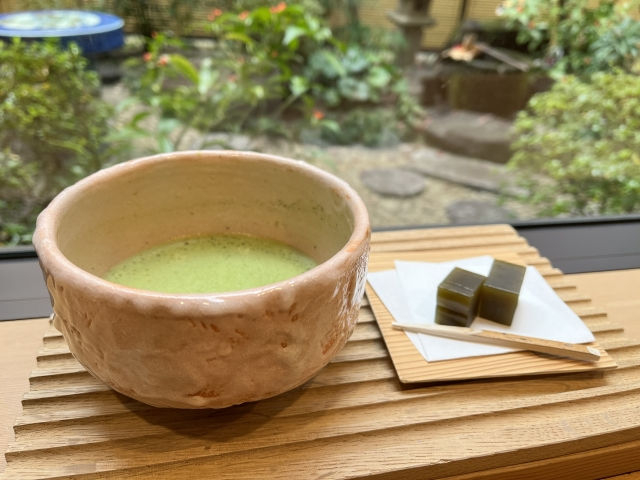
From here, we will explain the trends in each channel for matcha.
These are important points to consider if you are considering incorporating matcha into your business, so please take a look at each item.
Retail: Polarization between premium matcha and everyday consumption continues
First, regarding trends in retail channels, there is a clear polarization of best-selling matcha products in the retail market.
One is the "everyday consumption" type, which includes convenient latte powder, sweets, ice cream, etc., sold at supermarkets and convenience stores.
The other is premium matcha, which is high-quality and made from specific origins and sold in department stores and specialty shops.
In recent years in particular, there has been an increase in products that highlight their place of origin, such as "Made in Uji" or "Made in Yame," and there is a growing trend for packaging to emphasize the characteristics of color and fragrance.
In addition, with consumers becoming more health-conscious, organic, additive-free and nitrogen-filled types are also becoming more popular!
Additionally, there is strong demand for small-quantity, high-priced gifts, and high-value-added packaging such as tea canisters and paulownia wood boxes is popular.
On the other hand, general-purpose grades for cooking and baking are maintaining stable sales in mass retailers.
Understanding this and developing matcha products will be the key to a successful business.
Foodservice: Matcha at the heart of the brand experience
Next, I will explain the food service market, where matcha has established itself as a brand ingredient that enhances the value of menu items.
For example, cafes, hotels, and restaurants are moving beyond the classics like matcha lattes and parfaits to include more creative menu items like matcha tiramisu, matcha mocktails, and matcha pasta.
The visual beauty and storytelling potential of menu photos are exceptional, and they are also highly appealing, making them an essential resource for restaurants looking to spread their word on social media.
Additionally, the global chain is popular for its limited-time products that incorporate Japanese trends, such as the seasonal Sakura x Matcha and Matcha White!
To keep initial costs down, commercial matcha with stable color and high foaming (priced at 3,000 to 7,000 yen per kg) tends to be used more often.
In the future, emphasis will be placed on compatibility with health-oriented menus such as plant-based and sugar-free, and it is expected that matcha's range of uses will expand even further, from beverages to desserts and cooking.
E-commerce: Repeat purchase rate and brand story are key
E-commerce has emerged as the breakout channel for matcha—especially DTC brands and Amazon-native players.
The expansion of matcha in the e-commerce market is outpacing other channels.
In particular, D2C brands and subscription models are on the rise, and brand experiences based on "origin x manufacturing method x lifestyle" are becoming a purchasing motivation.
Buyers care not only about quality, but also about the story behind where the product was made and how it was processed.
We now live in an age where credibility is determined by UGC (user-generated content) such as videos, social media, and reviews.
By the way, the price range for individuals is mainly 1,000 to 2,500 yen per 30g, and measures such as free shipping and regular discounts are commonly introduced to increase repeat purchase rates.
Additionally, in cross-border e-commerce, explanatory pages in English and Chinese and organic certification displays are becoming mandatory requirements.
*Environmentally friendly packaging and plastic-free containers are also part of the evaluation criteria.
The key to future e-commerce success will likely lie in a branding strategy that combines "visualizing quality" and "building a community."
Seasonality and demand patterns for matcha

From here, we will explain the seasonality and demand patterns of matcha.
We will touch on demand in Japan throughout the year, as well as all seasons, so please take a look at the situation and environmental factors, such as what kind of demand there is in countries and regions with similar climates and similar seasons.
Spring: New tea season and launch of seasonal menus
Spring is an important season for the matcha market, marking the start of the annual cycle.
The first harvest of tea begins in April and May, and the release of new matcha and sample proposals becomes more active.
In addition, this is the time when the previous year's lots are changed over for both commercial and retail use, and there are many inventory adjustments and price revisions.
On the menu, seasonal collaborations such as "Sakura x Matcha" and "Strawberry x Matcha" are popular, and this is also the time when cafes and confectionery brands launch new products.
The combination of pale green and spring colors looks great on social media, making this a month for strengthening sales and promotions.
Additionally, overseas, there has been an increase in limited-edition menus themed around the season of fresh greenery, and the trend of creating an initial surge in demand in early spring has become established.
In B2B, spring is the most strategic time to make matcha supply plans, as product development and sample shipping preparations begin for early summer.
Summer: The cold drink boom and peak demand period for the cafe channel
Summer is the busiest season for the matcha drink market.
Demand for chilled drinks such as iced lattes, frappes, and smoothies reaches its peak annually, especially from June to August.
The refreshing bitterness of matcha matches well with the richness of milk, and the cooling sensation and refreshing appearance encourage consumption.
Sales of RTDs (PET bottles and paper cartons) are increasing at convenience stores, while shipments of frozen frappe bases and syrups for commercial use are concentrated.
Because the vibrant green color stands out in summer social media posts, cafe brands are increasingly launching products that are visually appealing, such as "matcha x mango" and "matcha x citrus."
*Incidentally, in summer, to avoid quality deterioration due to high temperatures and humidity, it is essential to store the product in a light-shielded, moisture-proof, and low-temperature environment during distribution!
This is the season when appearance, taste, and functionality truly come together, and it can also be said to be a time when speed is required in all processes, from sales promotion to manufacturing and logistics.
Autumn: Demand for bakery and sweets increases
In autumn, demand for matcha shifts from being primarily consumed chilled to being used in confectionery and bakery products.
As the temperature drops from September to November, warm sweets and baked goods become popular, with matcha muffins, matcha tarts, and matcha Mont Blanc gaining popularity.
Another plus is that the fragrant aroma and deep flavor of matcha pairs well with autumn ingredients such as nuts and chocolate.
In the retail and OEM industries, product development and gift set planning will commence in anticipation of the winter sales season, leading to increased procurement of intermediate lots of matcha raw material.
Additionally, autumn is a good time to prepare sake because the effects of light and humidity are relatively low in the season, reducing the risk of quality issues during storage.
This is also the time when proposals for new season matcha ingredients and blends become more popular at domestic and international exhibitions.
Autumn is the season when matcha takes center stage, so it's the perfect time to focus on it, and it can be said that the key to business success lies in developing high-added value products that take advantage of the triple threat of aroma, color, and flavor.
Winter: Increased demand for gifts, hot drinks, and luxury items
Winter is the season when matcha is at its best when it comes to gift-giving and healing.
Demand for hot drinks and baked goods increases from December to February, and warming products such as matcha lattes and matcha chocolates are popular.
Demand for gifts is at its highest during the year, especially around the New Year and Valentine's Day season.
Highly designed packaging, such as high-quality matcha tins and assorted sets, drives sales.
In winter, "depth of flavor and aroma" is more important than beautiful color, so the proportion of higher grade and stone-ground coffee used increases.
Warm, creamy menu items such as matcha tea lattes and matcha cappuccinos have become standard at cafes, and pairings with desserts are also popular.
During the cold season, care must be taken to avoid the risk of condensation during storage, but the fact that there is little fluctuation in quality and it is suitable for long-term inventory management is also a factor that supports winter demand.
All seasons: Functionality and cultural value for constant consumption
Finally, we will touch on the channel trends for matcha throughout the year.
Matcha, which was previously seen as a seasonal beverage, has now evolved into a staple category that is consumed steadily throughout the year.
Its health-conscious, beauty-enhancing, and relaxing effects have attracted attention, and it has established itself as a wellness drink for everyday consumption.
*Sales continue regardless of the season, especially in the areas of RTD, powdered sticks, and supplements.
For commercial use, cafe, confectionery, and food OEM companies are increasingly making ordering plans based on annual contracts, with emphasis being placed on demand forecasting and lot-split supply rather than inventory adjustments.
Additionally, overseas, matcha has become well-known as a symbol of Japanese culture, and consumption experiences are spreading throughout the year through tourism, e-commerce, and experiential events.
In other words, matcha has evolved from a seasonal product into a lifestyle category, becoming a sustainable global market ingredient.
Of course, it is important to understand seasonal demand and establish a business strategy, so the key to success will be to develop a seasonal strategy while keeping an eye on demand throughout the year.
Quarterly demand peaks and ordering planning

Here we will briefly touch on quarterly demand peaks and how to think about ordering plans.
This depends on the genre or category in which matcha is used, so it is difficult to generalize, but we have summarized the basics below in the order of "quarter," "main demand period," and "recommended measures," so please use this as a reference.
• Q1 (Jan–Mar): New Year/health-oriented campaigns — new product launches and intensified social media activity
• Q2 (Apr–Jun): Cold drink season begins — secure ingredient stock for matcha lattes and frappes
• Q3 (Jul–Sep): Ice cream and RTD retail peak — intensify e-commerce promotion
• Q4 (Oct–Dec): Confectionery and gift demand — prioritize procurement of premium-grade product
The key to business success is to understand these demand periods, develop products that take advantage of your strengths, and develop marketing strategies.
With demand for matcha growing worldwide, now is the time to introduce it
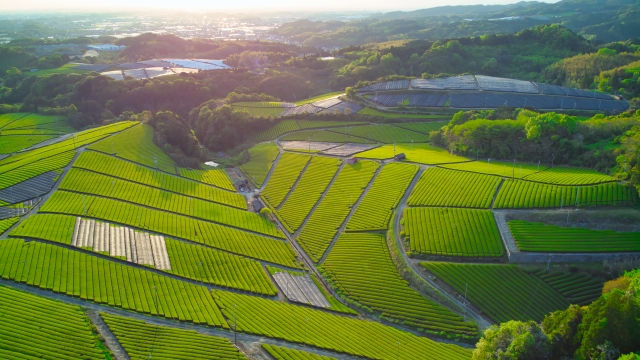
This time, we have explained several topics about global matcha market trends.
The matcha market continues to expand around the world, and rather than being a passing trend, it has entered a new stage where "authenticity-oriented" and "functional needs" are fused.
The core values of global consumption, such as health, beauty, and sustainability, strongly resonate with the traditional ingredient of matcha.
In the future, greater emphasis will be placed on clear quality claims such as organic, clean label, and sugar-free, while advances in transportation, storage, and blending technologies are expected to support market expansion.
Furthermore, the key to the brand's competitiveness will be to design grades and develop products for specific uses that suit the preferences of each country and region.
Matcha is no longer just a "Japanese culture" but is now attracting attention as a "functional ingredient that the world can develop together."
How well you understand this trend and incorporate it into your company's product strategy, as well as how you develop your future strategies, will determine your future success in the international market.
If you are thinking about using matcha in your business but are having trouble deciding on a sales and marketing strategy, please feel free to contact us.
We provide support for various startups, including helping Japanese small and medium-sized enterprises expand overseas, and we will support you from 0 to 1.
Please feel free to contact us to seize the opportunity of the global matcha boom and get your new business on track.